← Back
THE PHILOSOPHY OF SAINT JOHN STUDIO

Learning
to See.

If You Can See It, You Can Make It.

Learning to see is not simply a matter of eyesight. It is attention, curiosity, and the willingness to ask one more question before accepting the first answer.

Read / Download the PDF Learning to See · Saint John Studio
THE INVITATION

The world is full of extraordinary possibilities.

What is rare is the ability to recognize them.

That ability is not reserved for a gifted few. It can be practiced. It begins with one decision: Look again.

HIDDEN IN PLAIN SIGHT

Recognition comes
before creation.

Discovery is not always finding something nobody has ever seen. Sometimes it is recognizing a possibility that has quietly existed all along.

The world has not changed. The opportunity has not changed. The observer has changed.

TRANSFORMATIONAL OBSERVATION™

Origin and outcome belong together.

The finished work matters. So does the moment when an ordinary source first revealed another possibility.

CASE STUDY 01

The Chicken and the Stain
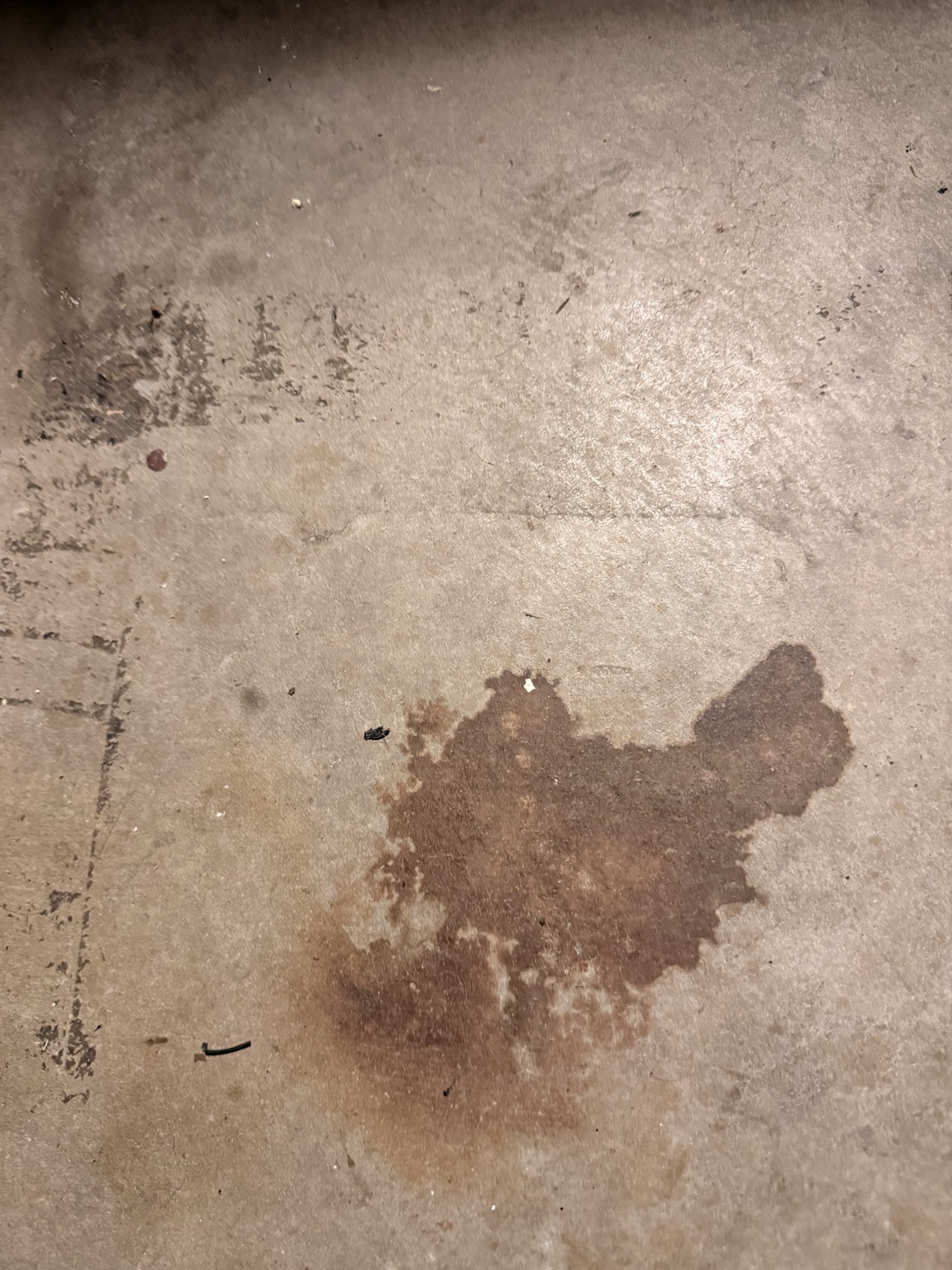
01 · THE ORIGIN Original floor stain that suggested the shape of a chicken
The stain. An ordinary mark on the garage floor. Lilly looked at it and said, “That could be a chook!”
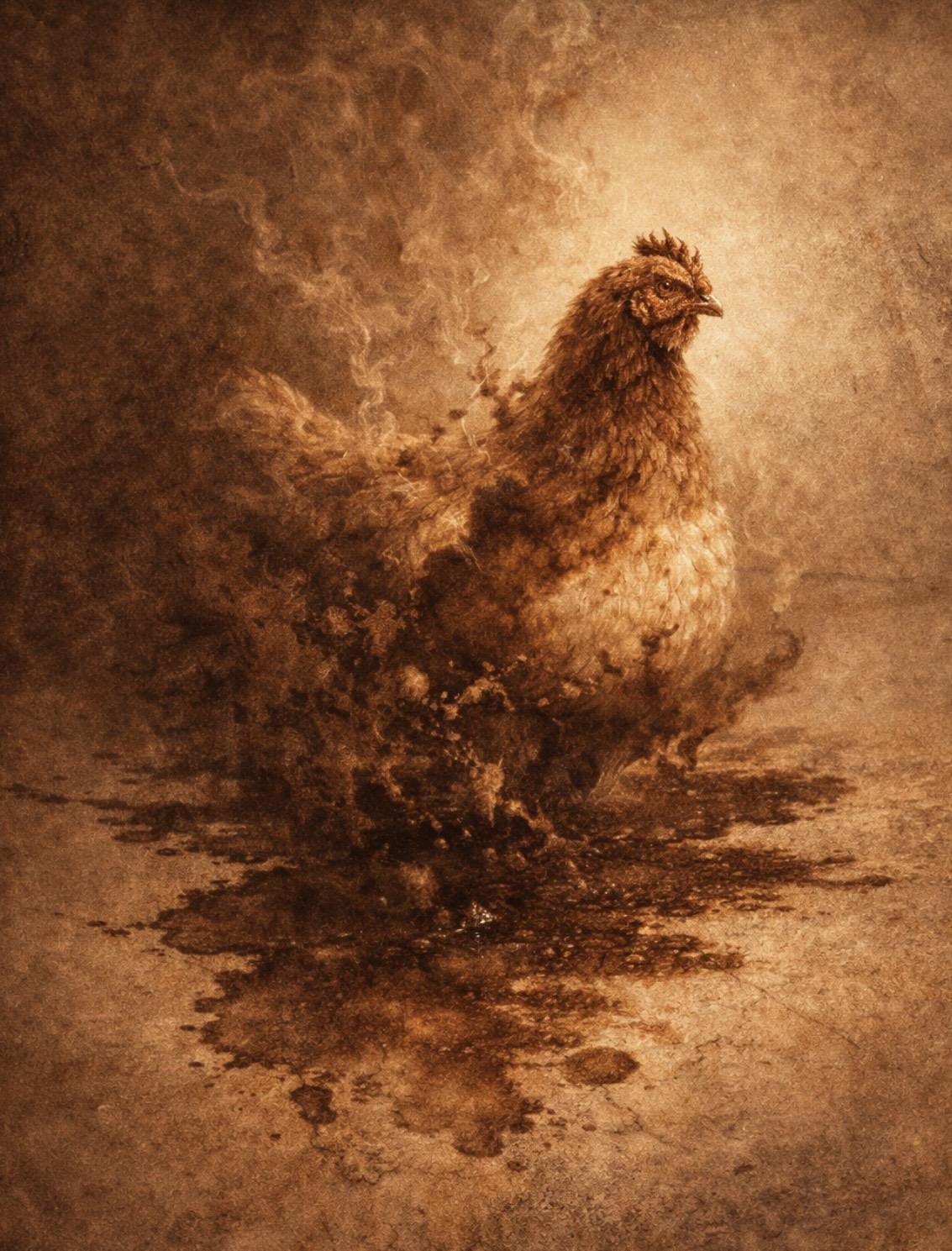
02 · THE INTERPRETATION Early chicken interpretation developed from the stain
The recognition. A chook emerges from the accidental shape.
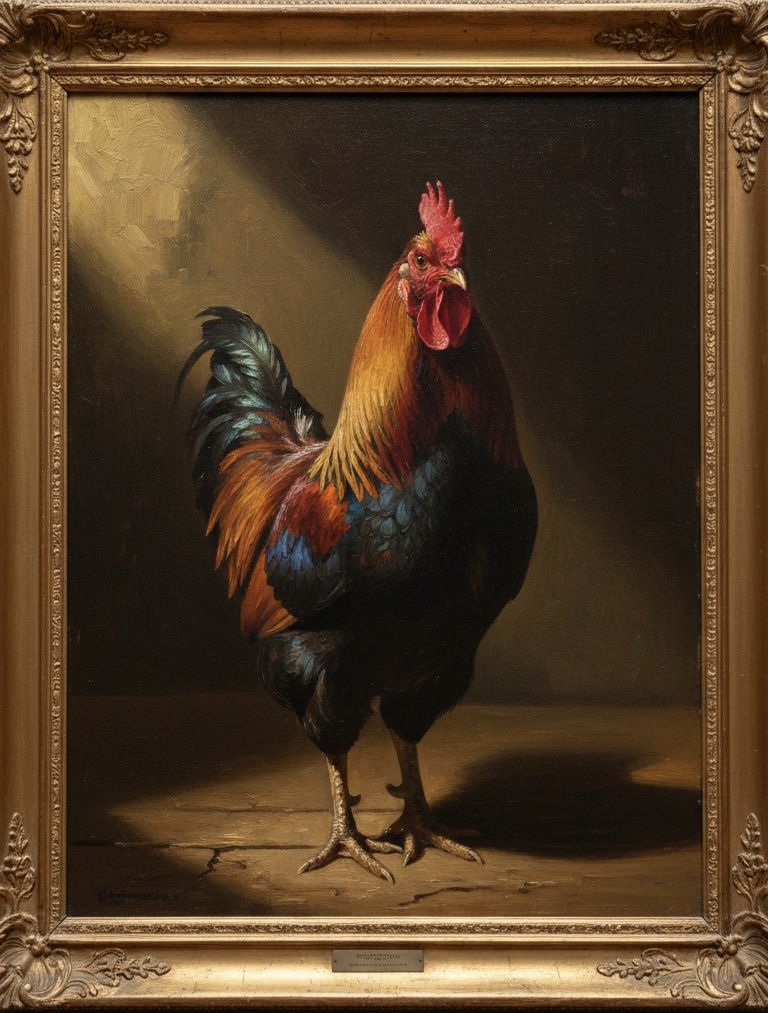
03 · THE RESOLUTION Resolved framed chicken artwork
The resolved artwork. Observation becomes a finished image.
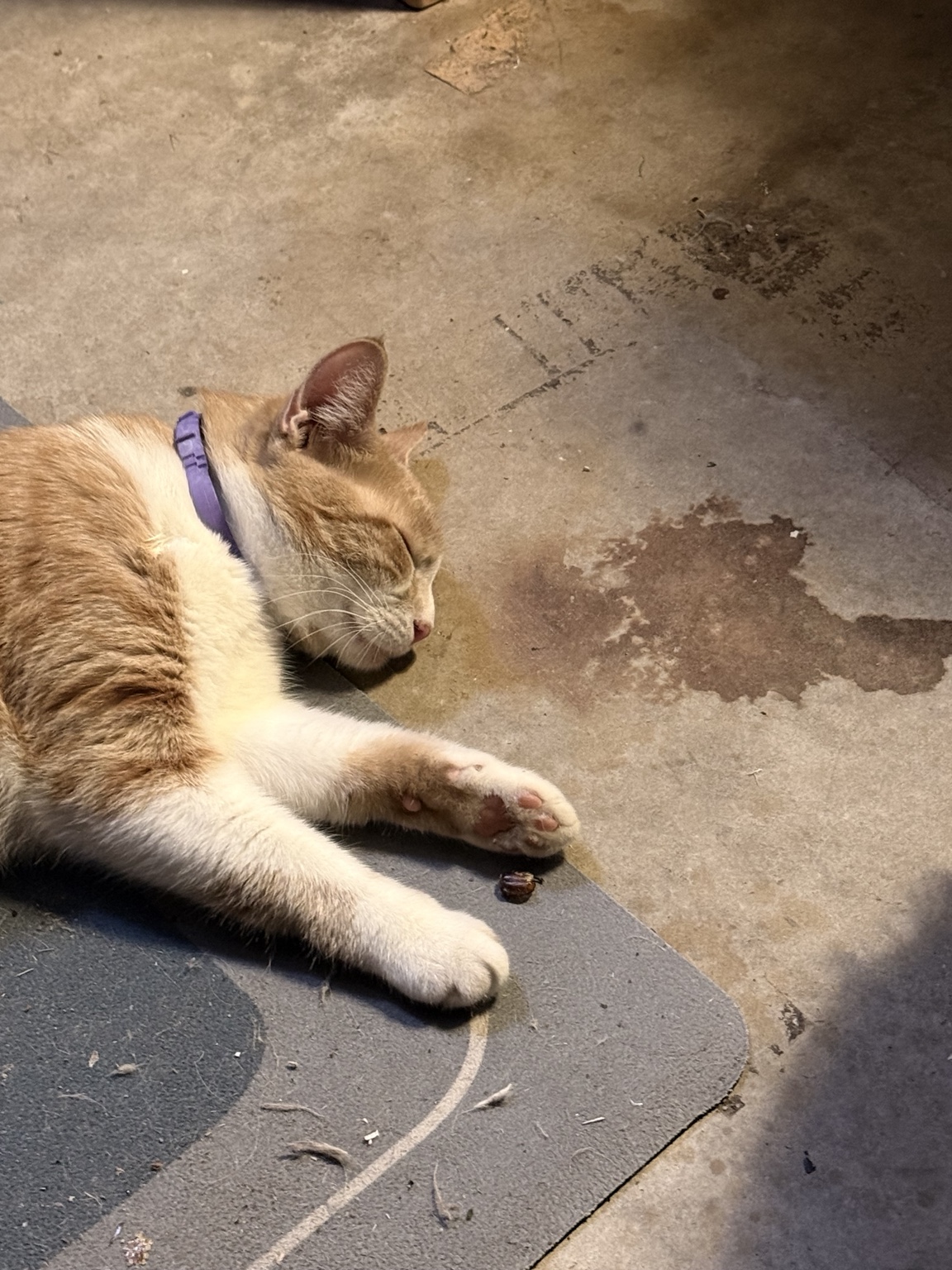
04 · THE RETURN Peaches resting beside the actual chicken stain on the Saint John Studio garage floor a few months later
A few months later. Same floor. Same stain. A new observer arrives.
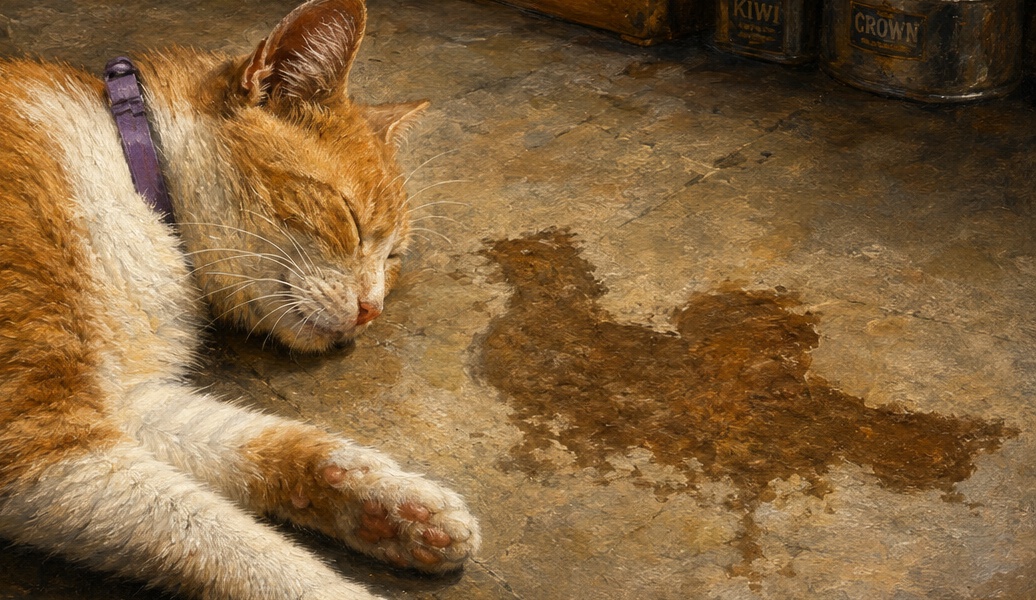
05 · LOOK AGAIN Narrative painting of Peaches beside the chicken stain
The observation continues. An old mark produces a new idea.
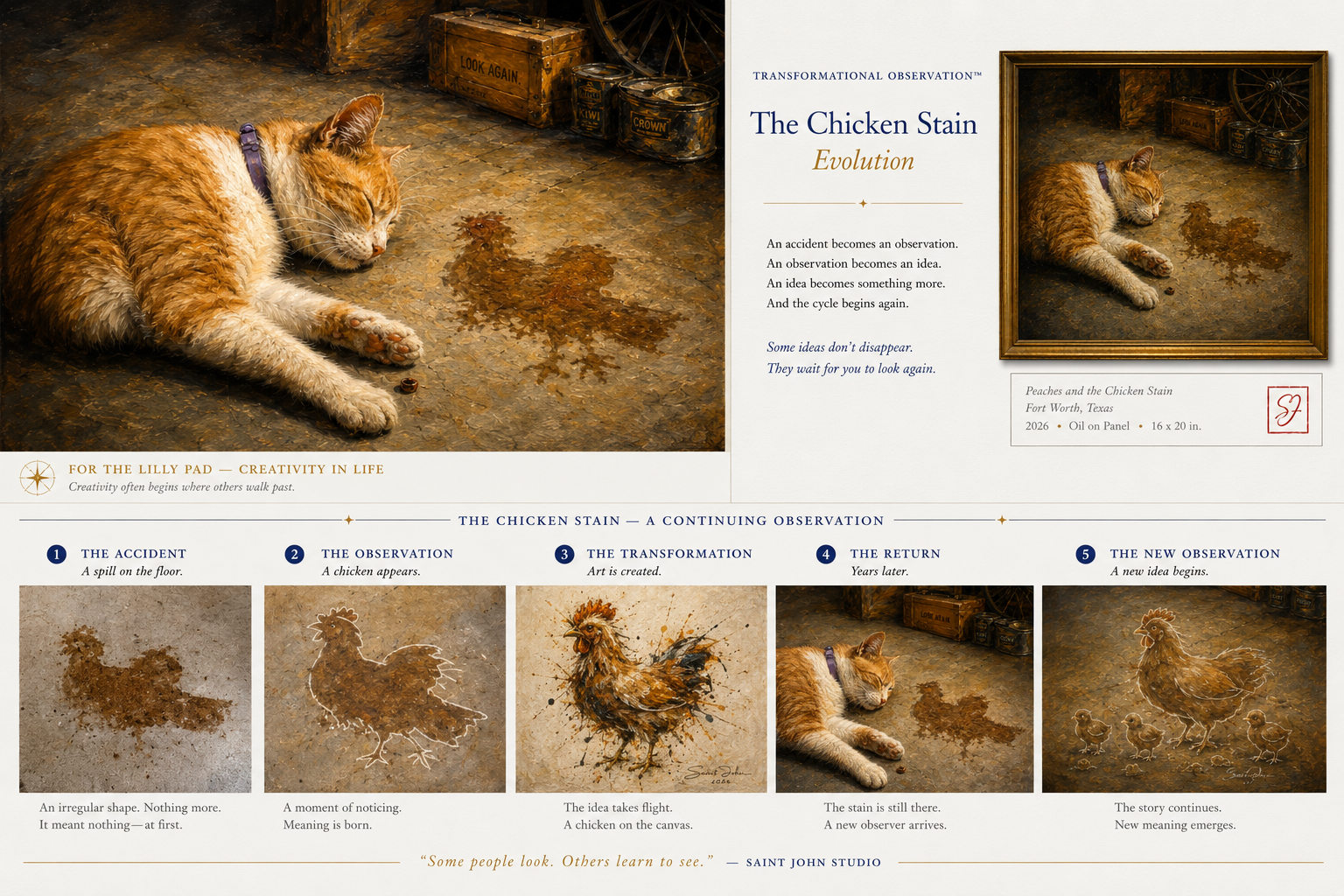
06 · THE EVOLUTION Transformational Observation evolution board for The Chicken Stain
The case study grows with time: accident, recognition, transformation, return, and renewed observation.

“Some ideas don’t disappear. They wait for you to look again.”

The stain is still there. Over the past few months, the original observation has continued to evolve. Peaches settled beside it in the garage and turned the same accidental mark into a new moment of recognition. The source did not change. The context did.

LOOK AGAIN: Transformational Observation™ is not a one-time trick. An ordinary source can keep producing meaning when we return to it with different eyes.

“That could be a chook!”

Chook is Australian slang for chicken. Lilly’s original words are preserved here because the observation itself is the beginning of the story.

“The chicken was not added. It was recognized.”

An ordinary stain on a garage floor became a lesson in perception. The source was already there; the creative act was noticing what the first glance missed, then developing that recognition with enough care to make it visible to someone else.

Transformational Observation™: the stain became a clue, the clue became an interpretation, and the interpretation became a finished piece. Origin and outcome remain together because the transformation is the story.
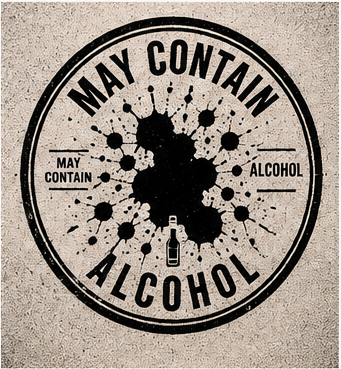
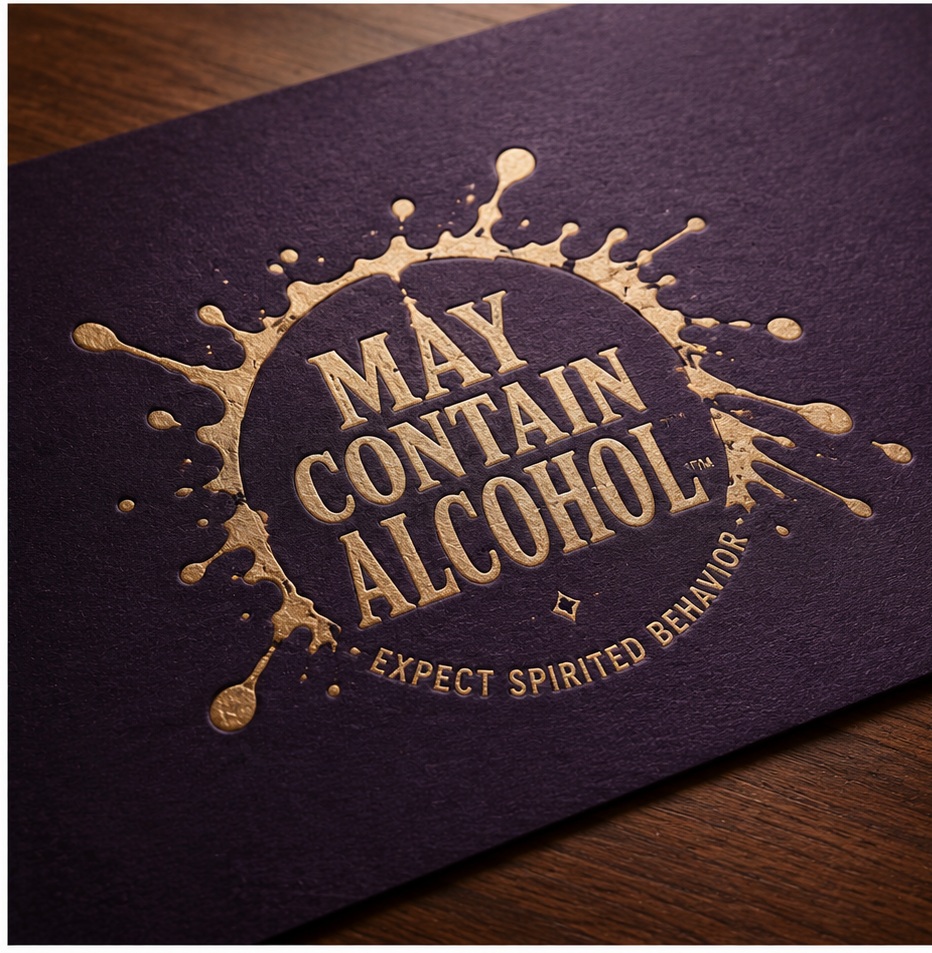
CASE STUDY 02 · CAT-007

May Contain Alcohol

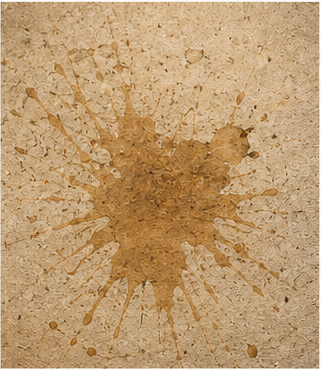
01 · THE ORIGIN The original accidental floor stain that inspired May Contain Alcohol
The stain. A moment of noticing.
02 · THE INTERPRETATION Black and white graphic interpretation of the May Contain Alcohol mark
The mark. Shape becomes language.
03 · THE RESOLUTION Final May Contain Alcohol identity delivered to the team
The delivered identity. Expect Spirited Behavior™.

“Every accident holds a clue.”

A spill on the floor. An irregular shape. Most people clean it up. A few stop and look. The accidental stain suggested movement, energy and rhythm; observation turned it into a graphic mark, and the mark became the finished identity delivered to the team.

Transformational Observation™: we did not invent the shape. We recognized it, refined it with purpose and gave it a voice. What began as a spill became communication.

Explore the portfolio →
THE PRACTICE

Curiosity keeps the first answer from becoming the final answer.

01

Pay Attention

Pause long enough to notice what the first glance missed.

02

Ask Again

One additional question can change the direction of an entire project: What am I missing?

03

Live With It

Some questions need time. Research, listen, then give the problem room to breathe.

04

Return

Seeing is a practice, not a performance. The goal is not perfection. The goal is to return.

THE GOLDEN SEED

An idea does not have to be complete to deserve protection.

Every meaningful creation begins as something remarkably small: a question, a sketch, a conversation, an observation that refuses to disappear.

OBSERVE. QUESTION. PRESERVE. RETURN.
STEWARDSHIP

Ideas become gifts when they are preserved well enough to continue without us.

Knowledge survives because someone cared enough to pass it forward. Stewardship is not measured by applause. It is measured by continuation.

A PLACE FOR IDEAS

Curiosity needs a home.

Ideas accumulate. Sketches become folders. Notes become archives. Connections begin appearing between work created years apart.

That search for a living library—one that preserves unfinished thoughts and helps one idea find another—became AXIOM.

Explore AXIOM →
THE BOOK

Learning to See.

If You Can See It, You Can Make It.

The book is the longer-form source behind the philosophy explored throughout Saint John Studio. This is the current 2026 digital download edition, published by Saint John Press / Saint John Studio.

Every meaningful creation begins with attention.

Every lasting contribution begins with curiosity.

Every legacy begins with caring enough to preserve what matters.

Everything else begins by learning to see.

— Bob Saint John